
Loading...
Serving Seaside, CA and surrounding areas. (831) 315-4007
Seaside Insulation serves Carmel Valley Village with retrofit insulation, spray foam, crawl space vapor barriers, and attic air sealing built for the valley's inland heat, wet winters, and custom homes on large rural lots. We have served Monterey County since 2016 and respond to every inquiry within one business day.
Most homes in Carmel Valley Village were built between the 1950s and 1980s as custom builds, and nearly all of them were insulated to standards that no longer meet California's energy requirements. Retrofit insulation adds material to existing structures without requiring demolition - blown-in fills attic cavities, dense-pack treats closed wall cavities, and spray foam addresses crawl spaces and rim joists. Our retrofit insulation services are designed specifically for occupied, finished homes where opening walls is not practical.
Carmel Valley Village gets genuine summer heat - inland highs regularly reach into the 90s - and older custom homes with unsealed attic penetrations let that hot air pour into living spaces regardless of how much insulation is present. Sealing around recessed lights, plumbing chases, and top-plate gaps before adding insulation is the step that makes the insulation actually work. Without it, conditioned air escapes through the same paths heat uses to enter, and comfort never improves as expected.
The clay-heavy soils of the Carmel Valley floor swell with winter rain and shrink in summer heat, cycling moisture upward into crawl spaces year after year. Older custom homes in the valley often have raised foundations with minimal or no vapor control, leaving wood framing, floor joists, and any existing insulation exposed to that ground moisture. A properly installed ground-cover vapor barrier cuts off that moisture path and reduces the wood rot and mold risk that accumulates quietly over decades.
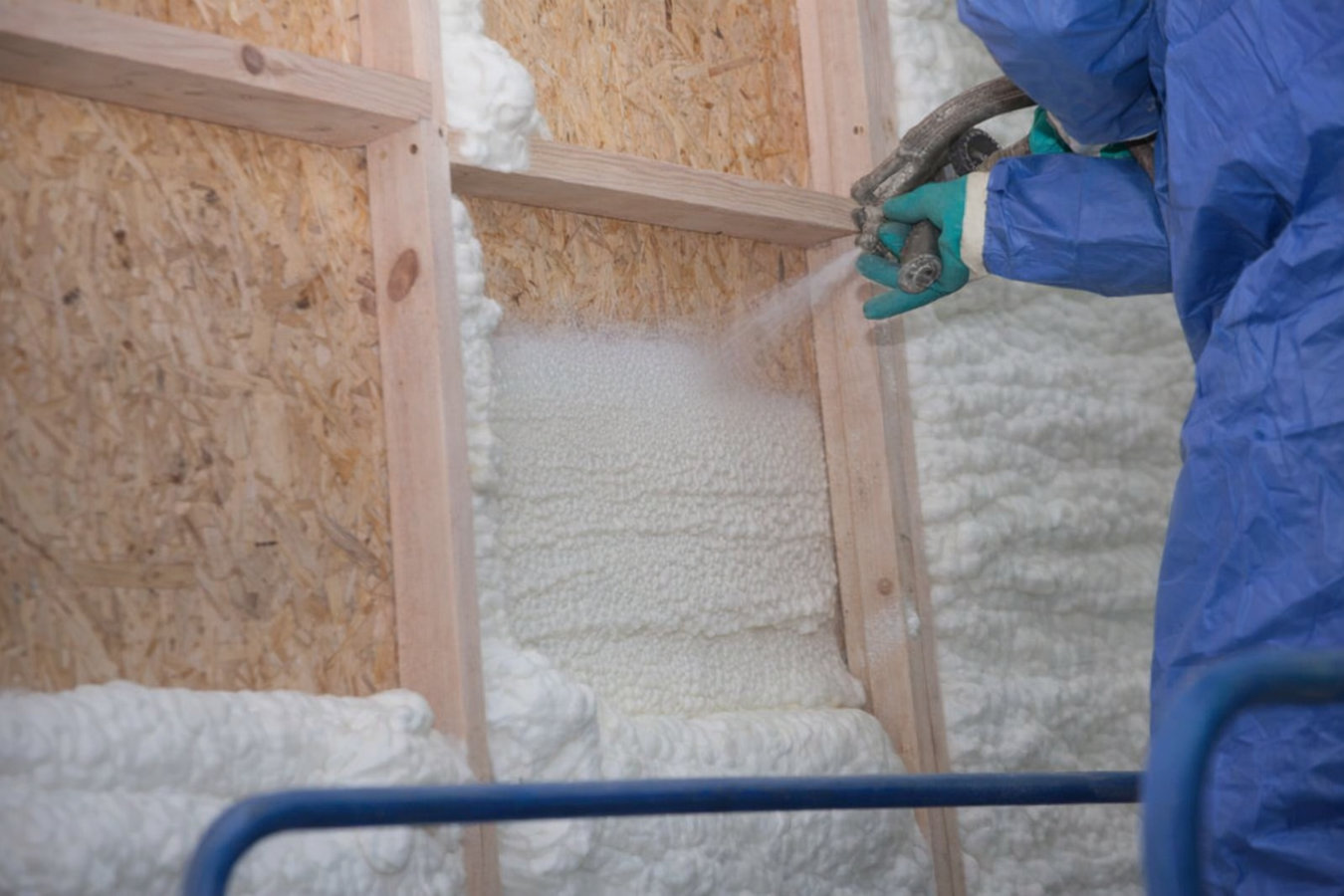
Carmel Valley Village properties on hillside lots or near the Carmel River bottom are exposed to both summer heat and winter moisture, and spray foam handles both in areas where other materials struggle. Closed-cell foam applied to crawl space walls and rim joists creates an air-and-moisture barrier that holds its insulating value in the damp conditions the valley floor produces. For outbuildings and workshops - common on the valley's larger rural lots - spray foam is also the most durable option for unfinished spaces.
Blown-in cellulose or fiberglass is the most practical choice for upgrading attic insulation in Carmel Valley Village's older custom homes, where existing framing and varied roof pitches make batt installation difficult and prone to gaps. It fills low-clearance attic spaces completely without leaving the uninsulated pockets that batts often miss. For a 1960s or 1970s home that has never had its attic insulation replaced, blown-in over the existing material typically doubles or triples the effective R-value in a single installation.
Many custom homes in Carmel Valley Village have wood-siding or stucco exteriors over wall cavities that were either lightly insulated or left empty when built. In a climate where summer afternoons push into the 90s and winter nights can drop to near freezing, uninsulated walls make every degree of heating and cooling work harder than it should. Dense-pack blown-in wall insulation fills those cavities through small drilled holes that are patched afterward, with no need to open interior walls or remove exterior finishes.
Carmel Valley Village sits about 26 miles inland from the Pacific coast along Carmel Valley Road, and that distance from the ocean creates a climate that is dramatically different from nearby coastal towns. While Carmel-by-the-Sea rarely climbs above 70 degrees in summer, the Village regularly sees afternoons in the 90s. The hot, dry summers that bake the valley's oak woodlands and vineyards put real thermal stress on homes that were built decades ago without that heat in mind. Most custom homes here date from the 1950s through 1980s and were insulated to the standards of their era - standards that California's current Title 24 energy code has since substantially exceeded. Homes of this age rarely have wall insulation that meets current requirements, and many have original attic insulation that has been compressing and degrading for 40 or more years.
Winter in the valley is a different challenge. Annual rainfall averages around 20 inches, and storms arrive quickly from November through March. The clay-heavy soils on the valley floor absorb that rain and then release it slowly, keeping crawl spaces damp long after the storm passes. Properties on slopes deal with additional runoff and drainage challenges that push moisture toward foundations. Wildfire risk adds another dimension: the valley's surrounding oak woodland and chaparral are in a high hazard severity zone designated by CAL FIRE, and ember-resistant venting combined with proper attic sealing is increasingly part of what homeowners here need to think about.
Our crew works throughout Carmel Valley Village regularly, and we understand the local conditions that affect insulation work here. Properties in the village are reached by Carmel Valley Road and a network of private roads and long driveways - some paved, some gravel - that put the main house well back from the street. We come prepared for rural access and bring materials staged for properties where the job site is not right off the road. Many of the homes we work on here include detached garages, workshops, or older agricultural structures in addition to the main house, and we assess the full property rather than just the primary building.
The village itself is a small commercial center with a cluster of shops and tasting rooms that locals know well - this is genuine wine country, and many homeowners here have been on their properties for decades. The mix of custom home styles, non-standard framing, and varied building vintages means we approach each job as its own problem rather than a standard template. Permits for work in Carmel Valley Village are handled by Monterey County rather than a city building department, and we are familiar with that process.
We also serve nearby Soledad and Carmel-by-the-Sea, so we know the full range of conditions from the coast to the inland valley.
Contact us by phone or through our online form and we will respond within one business day. We will ask a few questions about your home's age, the areas you want addressed, and any comfort or moisture issues you have noticed.
We drive out to Carmel Valley Village, assess your attic, crawl space, and any other areas in question, and give you a firm written estimate before leaving. There is no cost for the assessment and no obligation to move forward.
Our crew arrives on the agreed date, removes any degraded original material, and installs the new insulation in one continuous process. You do not need to be present for the full day, though we ask that someone be available at the start to walk through the scope.
When the work is done, we walk through what was installed, show you the completed areas, and make sure you are satisfied before we leave. All removed material and debris is taken off your property the same day.
We serve Carmel Valley Village and the surrounding valley with free on-site estimates and no-pressure quotes. Call us or send a request and we will be in touch within one business day.
(831) 315-4007Carmel Valley Village is an unincorporated community in Monterey County, California, set along the floor of Carmel Valley about 26 miles inland from the Pacific coast. The area is known for its wine country character, oak woodland setting, and a small but lively commercial center - the Village - that anchors daily life for the roughly 4,000 to 5,000 residents of the broader valley. Carmel Valley Road is the main artery connecting the Village to the coast, threading through vineyards, horse properties, and ranching land before reaching Carmel-by-the-Sea. Most homes sit on large parcels of one acre or more, and the community has actively resisted dense development - the Carmel Valley Master Plan has long prioritized low-density land use, which is why the valley still feels genuinely rural despite its proximity to Monterey.
The housing stock here is almost entirely single-family detached homes, many of them custom or semi-custom builds constructed between the 1950s and 1980s. Long-term ownership is the norm - most families have been on their properties for 10, 20, or 30 years - and many homes include detached garages, workshops, or outbuildings that reflect the valley's agricultural history. Nearby Monterey and Pacific Grove offer urban services and coastal amenities, while Carmel Valley Village maintains a quieter, more rural pace that draws residents who want space and privacy without leaving the peninsula.
Create an airtight thermal barrier that lowers energy bills and improves comfort.
Learn MoreKeep your home comfortable year-round by insulating the most critical area.
Learn MoreProtect floors and pipes from cold and moisture with proper crawl space coverage.
Learn MoreImprove interior comfort and soundproofing by insulating exterior and interior walls.
Learn MoreEliminate drafts and air leaks to maximize your insulation performance.
Learn MoreInsulate basement walls and rim joists to prevent heat loss below grade.
Learn MoreHigh-density foam that adds structural strength and superior moisture resistance.
Learn MoreLightweight foam insulation ideal for interior walls and sound dampening.
Learn MoreEnergy-efficient insulation solutions scaled for commercial and industrial buildings.
Learn MoreBlock ground moisture from entering your crawl space with a durable barrier.
Learn MorePrevent moisture damage throughout your home with professional barrier installation.
Learn MoreSeal attic bypasses to stop conditioned air from escaping through the top.
Learn MoreAdd insulation to existing walls and spaces without major renovation work.
Learn MoreSummer heat, wet winters, and aging custom homes all create real insulation needs in the valley. Call us today or request a free estimate and we will get you a clear assessment within one business day.