
Loading...
Serving Seaside, CA and surrounding areas. (831) 315-4007
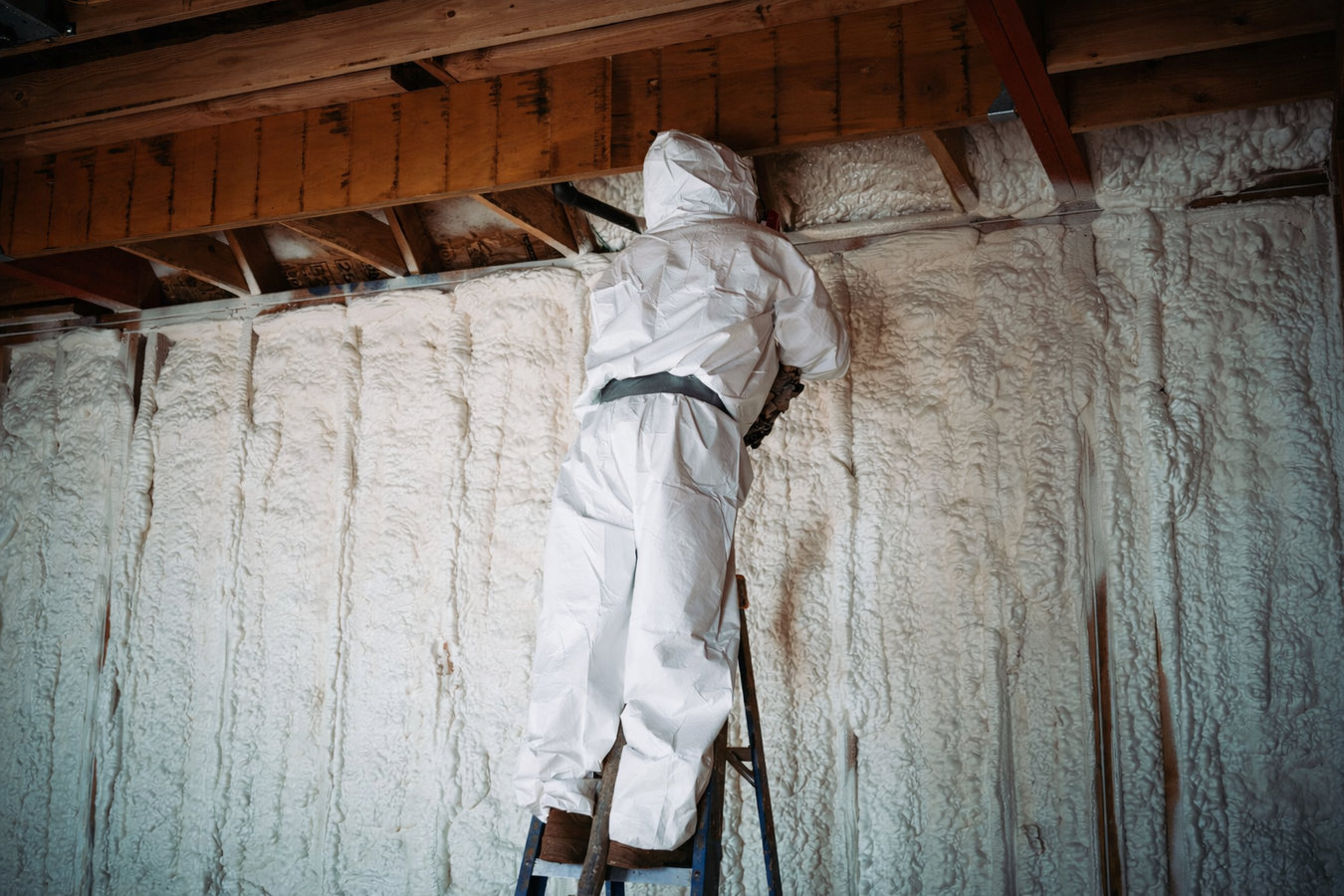
Seaside's salt air and coastal humidity demand insulation that does more than slow heat transfer. Closed-cell foam seals air leaks and blocks moisture vapor at the same time.
Closed-cell foam insulation in Seaside, CA is sprayed as a two-part liquid that expands and hardens into a dense, rigid layer, sealing air leaks and blocking moisture vapor simultaneously, most projects are completed in a single day.
Standard insulation materials slow how fast heat moves through a wall. Closed-cell foam does that - and adds a moisture barrier at the same time. Once cured, the foam's sealed cell structure resists water vapor moving through the wall, which is the key reason it performs so well in coastal environments like Seaside. Homes near the bay deal with salt air and marine humidity year-round, and older homes in particular have little built-in resistance to it. Pairing closed-cell foam in the crawl space or attic with spray foam insulation throughout the home addresses both the comfort and moisture problems in a single upgrade.
The material is also permanent in a way that fiberglass and cellulose are not. It does not sag, settle, or degrade over decades. For homeowners who want to make one investment and not revisit the question, closed-cell foam is one of the most durable options available. A contractor assessment will confirm whether your attic, crawl space, or walls are the right candidates for this material.
If certain rooms feel chilly or clammy no matter how long the heater has been running, cold air is getting in faster than your heating system can compensate. Seaside's marine layer keeps outdoor temperatures cool and damp for much of the year, and a home without proper air sealing will feel it constantly. This is one of the most common complaints from owners of older homes in coastal neighborhoods.
Moisture forming on the inside surface of exterior walls, or a persistent musty smell in a crawl space or closet, suggests that humidity is moving through your walls from outside. In a coastal environment this is not unusual, but it is a warning sign. Left alone, it leads to mold and wood rot inside the wall cavity - far more expensive than the insulation itself.
Hold your hand near an electrical outlet on an exterior wall or near the bottom of a door frame on a windy day. If you feel cool air moving, your home has air leaks. In Seaside, where onshore winds off the bay are common, even small gaps in the building envelope let in a surprising amount of cold, salt-laden air.
If you bought an older Seaside home and there is no record of insulation upgrades, the walls and crawl space are likely significantly under-insulated by current standards. Homes built in the 1950s through 1970s were constructed with minimal wall insulation and no attention to air sealing. A quick inspection confirms what is there - and what is missing.
We apply closed-cell spray foam to crawl spaces, attics, basement walls, and exterior wall cavities depending on where your home is losing the most heat or letting in the most moisture. For crawl spaces and basement walls, closed-cell foam is typically the strongest choice in this climate because of its moisture resistance. For attics, it seals the roof deck and eliminates the air channels that drive heat loss and gain. We also work with homeowners who need a side-by-side comparison to understand where open-cell foam insulation might be appropriate versus where closed-cell is the correct choice for their specific space.
Every job starts with an on-site assessment. We walk the spaces to be insulated, check accessibility, look for existing moisture issues, and confirm whether your project requires a City of Seaside building permit. We coordinate the permit application on your behalf when required. After installation, we walk through the completed work with you so you know exactly what was done, how thick the foam was applied, and what the next steps are if a permit inspection is needed before finishing the space.
Suits homes where moisture from the ground and coastal humidity is the primary concern - the dense cell structure blocks vapor from below.
Suits older homes where the attic has significant air bypass paths and the goal is a sealed roof deck that performs year-round.
Suits conditioned or semi-finished basements in Seaside where foundation wall moisture and cold air entry need to be addressed together.
Suits renovation projects where walls are open and closed-cell foam can replace degraded original insulation with a permanent, moisture-blocking layer.
Seaside sits directly on Monterey Bay, and the air here carries consistent moisture and salt year-round - not just in winter. That combination works its way into walls and crawl spaces over time, and older homes in the city were not built with any meaningful resistance to it. A significant share of Seaside's housing stock dates to the 1950s through 1970s, when insulation standards were minimal and moisture management was not a design priority. Closed-cell foam addresses both gaps at once: it provides high insulating value in a thin application, which matters in older wall cavities that are not deep, and it blocks the moisture vapor that fiberglass and cellulose cannot. Parts of Seaside built on former Fort Ord land may also have specific soil and foundation conditions that affect how moisture moves through the structure - a detail worth raising with your contractor during the estimate visit.
Homeowners across the peninsula face the same combination of older housing and persistent coastal climate. We regularly serve customers in Pacific Grove, where the ocean exposure is equally strong, and in Monterey, where the housing stock is similar. If you are weighing whether this upgrade makes sense for your home, a free on-site assessment is the lowest-commitment way to get a straight answer.
We reply within one business day. A few quick questions about which area you want insulated and any comfort or moisture issues you have noticed help us come prepared. Most reputable contractors in the Seaside area schedule a free on-site visit before giving a price.
We walk the attic, crawl space, or wall area to be insulated - checking accessibility, existing conditions, and any moisture issues that need addressing before foam goes in. This visit takes 30-60 minutes and is the right time to ask any questions.
You receive a written estimate covering materials, labor, and the permit status for your project. If a City of Seaside building permit is required, we handle the application. This can add a week or two before work begins - but it protects you and creates a paper trail that matters at resale.
You and your household leave for the installation day and for approximately 24 hours afterward. The crew masks off surfaces, sprays the foam in controlled passes, checks thickness as they go, and trims any overfill. Most single-area jobs finish in one day. We walk through the completed work with you before the project closes.
Free on-site estimate. No obligation. We reply within one business day.
(831) 315-4007We work throughout Seaside and the Monterey Peninsula, which means we understand the specific combination of salt air, marine humidity, and older housing stock that homeowners here deal with. We do not give generic recommendations - we account for your home's exposure and foundation type in every estimate.
Well-applied closed-cell foam is even in depth with no thin spots or gaps at edges. We verify thickness as we work and trim any areas that built up unevenly. A job where the foam was applied too thin does not perform - and you would not know it until you got your next energy bill.
Spray Polyurethane Foam Alliance - installer standardsFor projects requiring a building permit, we handle the application with the City of Seaside's building department and coordinate the inspection before any foam gets covered. You should not have to manage that process yourself, and a permitted job means independent verification that the work meets California's energy standards.
We will tell you directly when closed-cell is the right choice and when open-cell or another material makes more sense for a specific area of your home. In Seaside, closed-cell is usually the correct answer for exterior walls and below-grade spaces - but we explain why for your particular situation rather than defaulting to the most expensive option.
The right foam insulation job in a coastal climate is different from the same job done inland - the moisture variable changes what materials and techniques make sense. We bring that understanding to every project we take on in Seaside and across the Monterey Peninsula.
For safety information on spray polyurethane foam, see the EPA spray polyurethane foam guide. For energy code requirements, visit the California Energy Commission building standards page.
A cost-effective foam option for interior applications where moisture resistance is less critical than in exterior or below-grade spaces.
Learn MoreThe broader spray foam category covering both closed and open-cell applications throughout the home.
Learn MoreSchedule a free closed-cell foam estimate today - the sooner the assessment is done, the sooner your home is protected.