
Loading...
Serving Seaside, CA and surrounding areas. (831) 315-4007
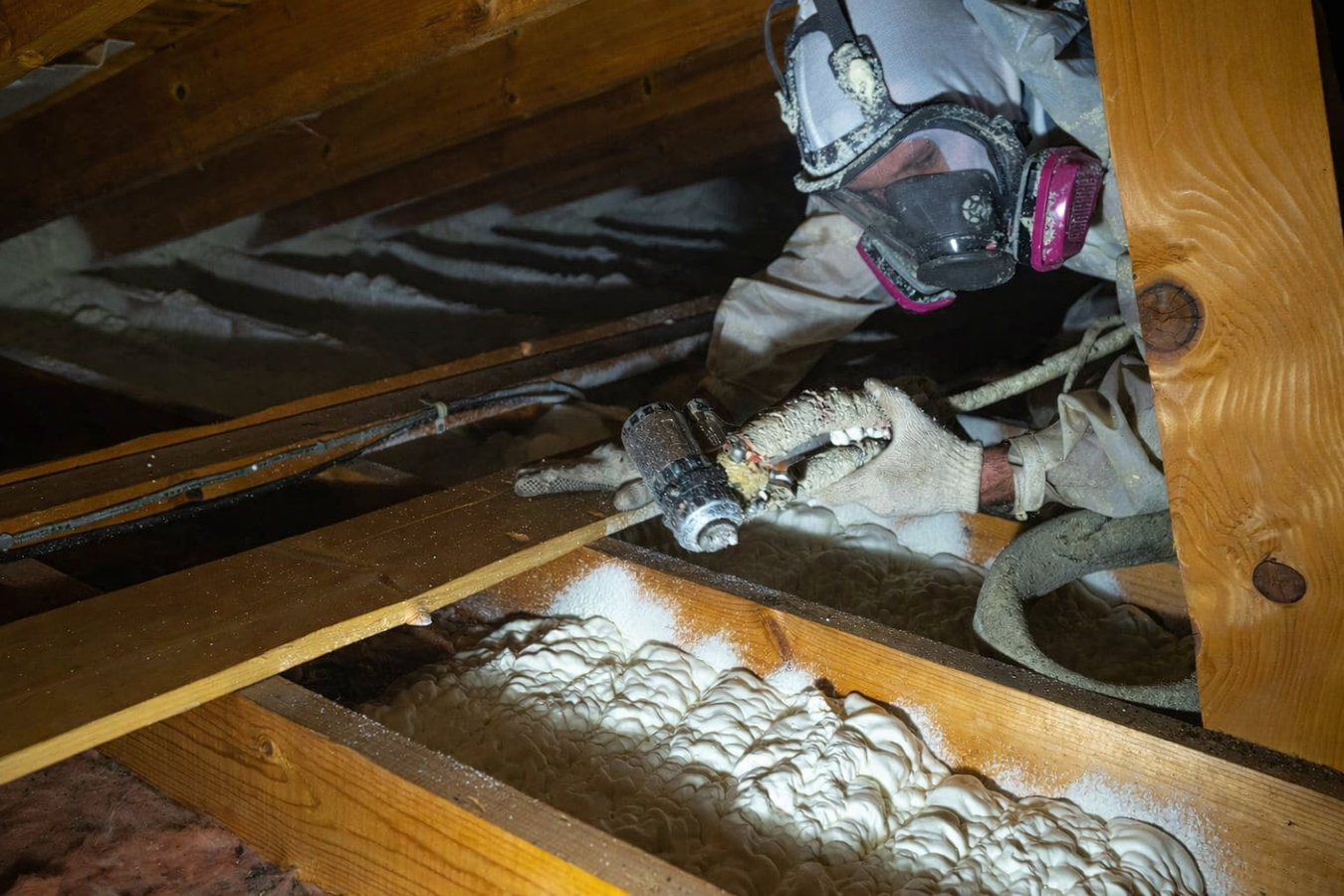
Seaside homes lose heat through unsealed attic gaps all year. We find and seal every opening so your home stays warm, dry, and comfortable on even the foggiest mornings.
Attic air sealing in Seaside means finding and plugging every gap in your attic floor where conditioned air escapes and outside air sneaks in. Most jobs cover a typical home in one to two days, with foam, caulk, or rigid material applied at each opening before any insulation is added on top.
Most homeowners call us because their home never quite feels warm enough - even after the heat has been running. In Seaside, the coastal fog pushes cool, moist air through every unsealed gap in your home's envelope, and the attic floor is where most of that movement happens. Gaps around recessed lights, plumbing pipes, wall tops, and the attic hatch itself are the most common entry points, and most homes built before 1980 have dozens of them.
Attic air sealing works best as the first step before adding insulation. If you are also looking at upgrading the insulation level itself, our retrofit insulation service covers both steps together in one project.
If rooms feel clammy or smell musty even when it has not rained, your attic gaps are letting Seaside's coastal fog cycle moist air into your living space. Over time, that moisture contributes to mold and wood rot inside your walls and ceiling structure.
If you find yourself turning up the thermostat more often than seems right for a mild coastal climate, a leaky attic is one of the first places to check. Heat rises and escapes fastest through unsealed attic floors, making your heating system work harder every hour.
Stand near your attic hatch on a cool day. If you feel air moving, see daylight around the edges, or notice a ring of dust on the ceiling, air is moving freely between your attic and living space - a reliable sign of significant leakage throughout the attic floor.
Rooms closest to the attic are usually the hardest to keep comfortable when the attic is leaking. In a well-sealed home, the temperature difference between floors should be small. Persistent cold spots near the ceiling or upper floors point directly at attic air loss.
Every attic air sealing job starts with a walkthrough to find the actual leak points - the tops of interior walls, gaps around recessed light cans, plumbing and electrical penetrations, and the attic hatch. We use a blower door test on jobs where measuring baseline leakage is useful, so you have a before-and-after number showing what changed. Once we have a clear picture of the leaks, we seal each one with the right material for that specific opening.
For Seaside homeowners who have never had any energy work done, the attic is almost always the best place to start. Many of the Fort Ord-era homes in Seaside were built quickly and to minimal standards, which means the attic floors have significant leakage that was never addressed. For those homes, we often combine attic sealing with a full air sealing services assessment to make sure the crawl space and other zones of the envelope are addressed at the same time.
Best for homes where the attic is accessible and the priority is stopping conditioned air from escaping through the ceiling into an unconditioned attic space.
Ideal for any home with a pull-down stair or ceiling hatch - one of the most common and overlooked entry points for attic air in older Seaside homes.
The most cost-effective approach for homes that need both - sealing first, then laying down insulation on top to lock in the full benefit of both improvements.
Seaside sits right on Monterey Bay, and the marine fog that rolls in most mornings is more than a backdrop - it pushes cool, moist air against your home all year. Homes with unsealed attics are constantly drawing that air in through gaps in the ceiling, contributing to the damp feeling that many Seaside homeowners describe as just part of living on the coast. It does not have to be. Sealing those pathways means the coastal air stays outside where it belongs. The Building Performance Institute (bpi.org) and the U.S. Department of Energy both recommend air sealing as the first step before any insulation upgrade.
A large share of the housing stock in Seaside was built in the 1940s through the 1960s for military families stationed at Fort Ord. These homes were built quickly and to the standards of their era - which means minimal attention to attic air sealing. We work throughout Seaside and serve the surrounding communities too. Homeowners in Monterey and Marina call us for the same reasons - older homes, coastal conditions, and heating bills that do not reflect the mild climate. If that describes your home, an attic assessment is the right starting point.
We will ask a few questions about your home's age, whether prior insulation work has been done, and what is prompting you to call. We reply within one business day and can typically schedule an in-home assessment within a week or two.
A contractor visits your home, opens the attic hatch, and identifies every significant air leak point - gaps around light fixtures, plumbing pipes, wall tops, and the hatch itself. Some jobs include a blower door test to measure baseline leakage before any work is quoted.
You receive a written quote breaking down what will be sealed, what materials will be used, and the total cost. We will also walk you through any PG&E rebates or federal tax credits your project qualifies for before you make a decision.
The crew seals every identified gap with foam, caulk, or rigid material depending on the opening. For most Seaside homes, this takes one to two days. When the work is done, we walk you through the results - and retest with the blower door if one was used at the start.
Free estimate, no obligation. We reply within one business day.
(831) 315-4007We approach every attic as a system, sealing around pipes, wires, light fixtures, wall tops, and the attic hatch before any insulation goes down. Skipping these steps leaves most of the energy loss in place, so we never do.
We measure air leakage before we start and again when we finish, so you have a concrete number showing the improvement - not just a contractor's word for it. That measurement also helps document your project for rebate applications.
PG&E offers rebates for qualifying attic air sealing work in Seaside, and the federal energy efficiency tax credit can reduce costs further. We know which programs are active and will walk you through what your project qualifies for before you commit.
A large share of Seaside's homes were built in the 1940s through 1960s for military families and have never had their attics sealed. We work in these homes regularly and know the specific gaps and penetration patterns that come with that construction era.
Attic air sealing is one of those jobs where the difference between a thorough contractor and a quick one is invisible from below - you only find out when the bills do not change. We measure before and after every time, so you know exactly what you got for your investment.
Add insulation to existing walls, attics, and crawl spaces without major renovation - the logical next step after attic air sealing.
Learn MoreWhole-home air sealing covering every zone of the envelope, from attic floor to crawl space, for maximum comfort and energy savings.
Learn MoreEvery month with an unsealed attic is energy you are paying to waste. Call us today or submit a request online - we respond within one business day.