
Loading...
Serving Seaside, CA and surrounding areas. (831) 315-4007
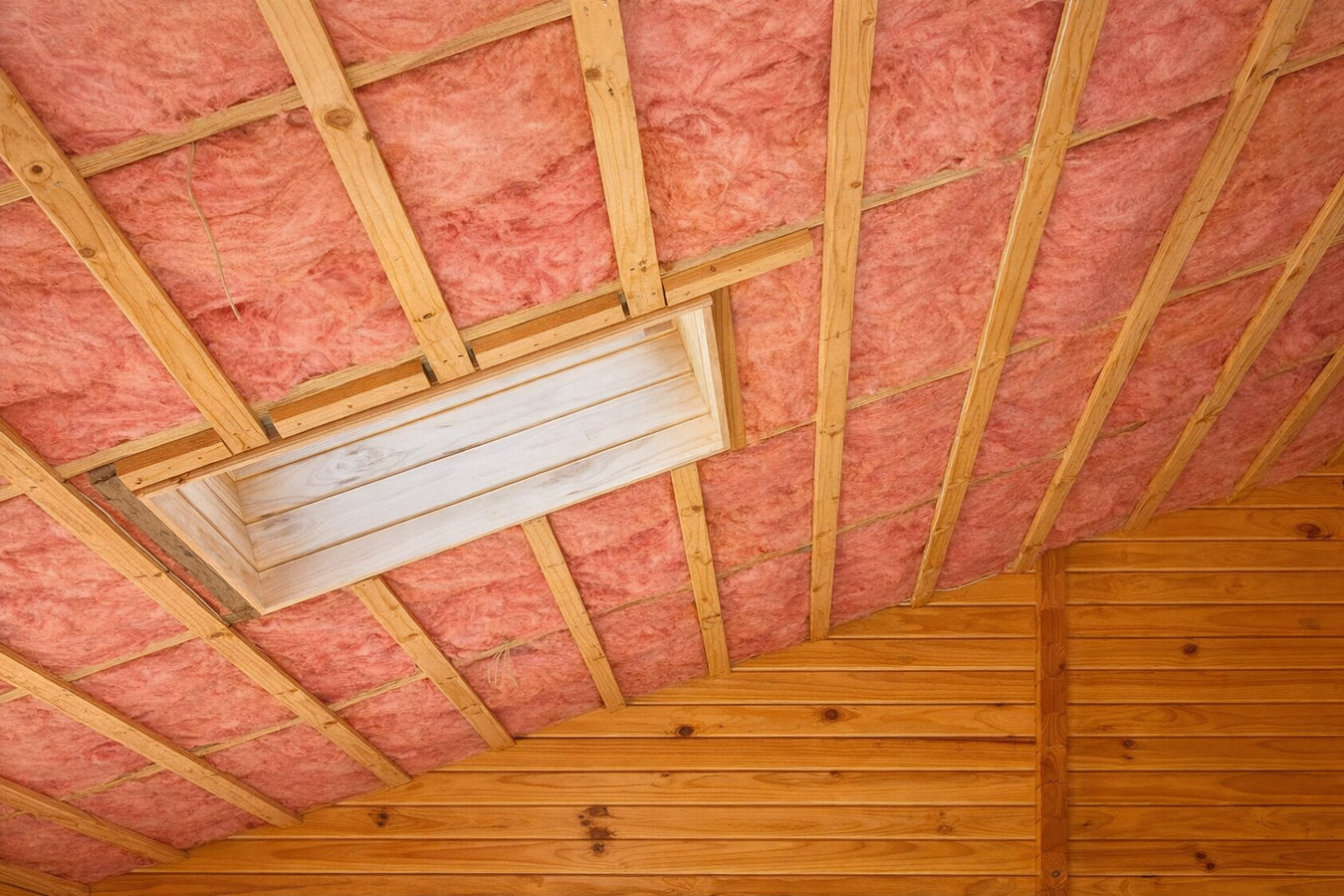
Most Seaside homes were built before modern energy standards and were never properly insulated. We assess your attic, walls, and crawl space and fix what is actually losing you heat - so your home holds warmth the way it should.
Home insulation in Seaside, CA slows heat loss through attics, walls, and crawl spaces, helping older coastal homes stay comfortable year-round - most projects complete in one to two days without requiring you to leave. The persistent cool fog rolling off Monterey Bay is not just a feature of living here - it is a constant source of heat loss for homes that were never properly insulated. Seaside's housing stock is largely made up of 1950s through 1970s ranch homes built quickly for Fort Ord military families, and many were constructed with little or no insulation in the walls and only minimal coverage in the attic. That original material, where it exists, has settled and degraded over decades. If your home has never had an insulation upgrade, the problem is almost certainly not your heater - it is your envelope. A good first step alongside this page is learning about our insulation removal service, since old degraded material often needs to come out before new insulation can go in properly.
Even in Seaside's mild climate, under-insulated homes run their heating systems far more than necessary and still feel drafty. Insulation is not about surviving extreme cold - it is about maintaining the temperature you have already paid to create. And in a coastal climate where the marine layer keeps temperatures low and damp most of the year, that matters more than most homeowners realize until they finally fix it.
Seaside's coastal climate is cool and foggy for much of the year. If your home feels persistently chilly even after the heat has been on for a while, warmth is escaping faster than it should. Drafty rooms, cold floors, and walls that feel cool to the touch are all signs your insulation is not doing its job.
If you are paying noticeably more to heat your home than neighbors in comparable houses, under-insulation is one of the most common causes. Seaside homes built before 1980 - a large share of the city's housing stock - were often built with little or no wall insulation, and attic insulation from that era has frequently settled or degraded.
Stand under your attic access panel and run your hand around the edges. If you feel moving air or notice the panel itself is thin and uninsulated, heat is escaping through that opening every time your heater runs. This is one of the most overlooked insulation problems in older Seaside homes and one of the easiest to fix.
Seaside's marine air carries a lot of moisture. When warm indoor air meets a cold, under-insulated wall, condensation can form inside the wall cavity. Over time this leads to musty odors and, in worse cases, mold. If a room consistently smells damp or you see moisture on interior surfaces, insulation and air sealing should be on your checklist.
We cover every part of the home that loses heat - attics, exterior walls, crawl spaces, and the areas in between. The right approach depends on your home's age, what is already there, and where the biggest losses are happening. Most Seaside homeowners start with the attic, where heat loss is typically greatest and access is easiest. From there, we can add wall coverage and address the crawl space in a coordinated way that avoids redundant visits. When old insulation is so degraded that it is doing more harm than good, we recommend pairing this project with our retrofit insulation service, which is specifically designed for adding coverage to homes that were never properly insulated from the start.
Air sealing is included in our assessment and recommended on most jobs - it is the step that prevents warm air from bypassing your insulation through gaps around light fixtures, plumbing penetrations, and the attic hatch. Many homeowners are surprised to find that air sealing delivers as much comfort improvement as the insulation material itself, especially in older Seaside homes where decades of settling and minor structural movement have opened pathways throughout the building envelope. We handle any permit requirements through the City of Seaside Building Division and provide written documentation of all work completed.
The highest-impact upgrade for most Seaside homes - stops heat from escaping through the ceiling on cool, foggy days.
Adds thermal coverage to exterior walls in older homes where wall cavities were left bare - noticeably improves room comfort.
Insulates the floor above an open crawl space, reducing cold floors and blocking coastal moisture from rising into the living area.
Combines gap-filling foam around fixtures and penetrations with insulation - the pairing that delivers the biggest comfort improvement.
Seaside sits on the edge of Monterey Bay, where marine fog rolls in from the Pacific most mornings and the air carries coastal moisture year-round. That climate creates an insulation challenge that is different from most California cities - the problem here is not blocking summer heat but holding onto the modest warmth your heater produces on cool, gray days. Homes with thin or absent insulation lose that warmth steadily through their attics and walls, and the cost shows up on your PG&E bill every month. California's energy standards set minimum R-value requirements for insulation work in existing homes, and a contractor familiar with Monterey and the surrounding area will know what applies to your project and whether a permit is needed.
The city's housing stock makes the situation more urgent. Seaside grew rapidly during and after World War II, and the majority of its single-family homes were built in the 1940s through 1960s to house Fort Ord military families. Those homes were built to the minimum standards of their era, and the original insulation - in the homes that had any - has had decades to settle, compress, and lose effectiveness. Homeowners across Salinas and other areas with similar postwar housing stock consistently report the same finding: their homes feel cold and expensive to heat, not because something is broken, but because the insulation was always insufficient. Fixing that is usually a one-to-two day project with a meaningful, lasting impact on comfort and monthly costs.
We ask a few basic questions about your home's age, which areas concern you, and any specific problems you have noticed. We reply to every inquiry within 1 business day and can typically schedule a site visit within a few days of your call.
A contractor visits your home to look at your attic, crawl space, or walls - wherever insulation is being considered. They check what is already there, look for air leaks, and measure the space. This usually takes 30 to 60 minutes and should be free. At the end you receive a written estimate that explains what they recommend and what it costs.
The crew arrives with their equipment, lays down protective coverings near the work area, and gets started. For a typical attic job, installation takes two to four hours. You can stay home, go to work, or run errands - your call.
When the work is done, we walk you through what was installed, show you photos from inside the attic or wall cavity, and answer questions. We provide documentation of the work - you will need this for any PG&E rebate application or federal tax credit.
Free on-site assessment, written estimate before any work begins. We respond within 1 business day.
(831) 315-4007Seaside Insulation serves the Monterey Peninsula with our own experienced crews and documented work. You always know exactly what was installed and who is responsible for the job.
After the site visit, you receive a written estimate that details what will be installed, where, and at what cost. No vague phone quotes. No surprises at the end of the job. You know what you are agreeing to before the crew shows up.
We have worked on homes throughout Seaside and the Monterey Peninsula since 2016. The postwar housing stock here - ranch homes on slab foundations, older stucco, low-clearance attics - has specific characteristics, and we know what to look for before recommending an approach. The U.S. Department of Energy sets the R-value guidance we use as our baseline.
We photograph the finished work inside your attic or wall cavity and provide written documentation you can keep. Seaside is in PG&E territory, and qualifying upgrades may be eligible for rebates - the paperwork we leave behind is what you need to apply.
Home insulation is work that happens out of sight, which is exactly why transparency matters. We make the process clear at every step - from the first site visit to the final walkthrough - so you always know what was done and why.
Old, degraded insulation needs to come out before new material goes in - find out how we handle removal in older Seaside homes.
Learn MoreAdding insulation to a home that was never properly insulated - the approach used most often in Seaside's postwar housing stock.
Learn MoreCall now or submit a request online - we reply within 1 business day and can often schedule your free estimate within the week.