
Loading...
Serving Seaside, CA and surrounding areas. (831) 315-4007
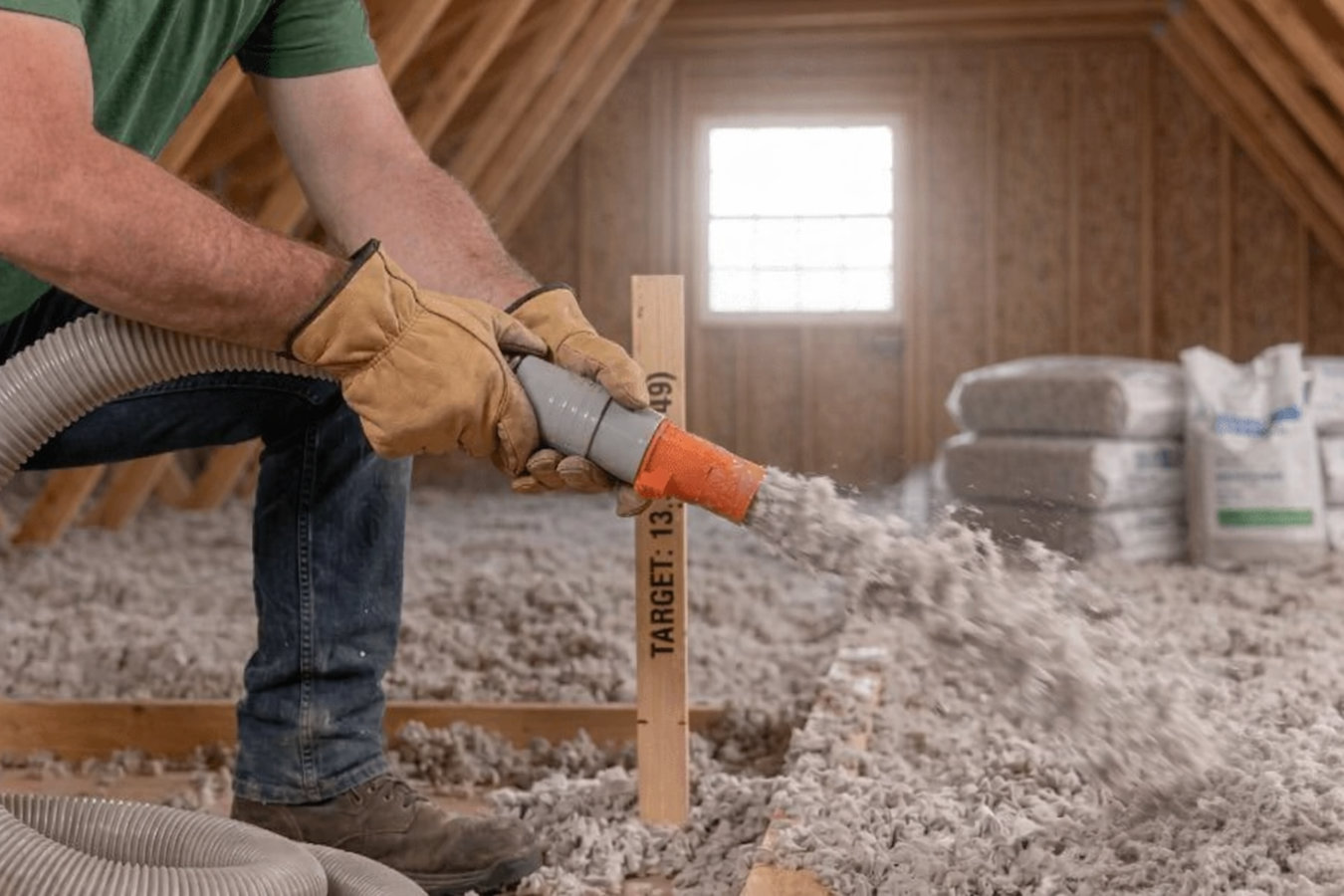
Rigid batts leave gaps in corners and around framing. Blown-in insulation fills your attic completely - giving older Seaside homes the even, thorough coverage needed to stop heat loss and block coastal moisture.
Blown-in insulation in Seaside, CA uses loose fiberglass or cellulose material distributed by hose to fill attic floors and wall cavities completely - most residential attic jobs finish in a single day with no need to vacate the home. Unlike rigid fiberglass batts, the loose material flows into corners, around joists, and into irregular spaces where standard rolls simply cannot reach. The result is a more complete thermal barrier with fewer cold spots - the kind that makes a real difference on the cool, foggy mornings Seaside gets most of the year. For homes that also need air leaks closed before the insulation goes in, pairing this service with our attic insulation work gives you the fullest coverage.
A significant share of Seaside neighborhoods were developed in the 1950s through 1970s to house Fort Ord military families. Those homes were built quickly and to minimum standards - many have little or no attic insulation, or insulation that has settled and compressed over decades. blown in insulation is one of the most cost-effective ways to bring these homes up to a comfortable, code-appropriate performance level without a major renovation.
If your heating system works hard but certain rooms - especially top-floor rooms or spaces under the roof - stay cold, heat is escaping through an under-insulated attic. In Seaside, where damp marine air makes cold feel more penetrating than the thermometer suggests, this problem is especially common in older homes near the bay.
If you peek into your attic and can see the wooden beams running across the floor, your insulation is almost certainly too thin. Properly insulated attics in this climate zone should have coverage deep enough that the joists are completely buried and not visible from above.
Much of Seaside's housing stock dates to the Fort Ord era. Many homes have never had their original insulation assessed or replaced. Insulation from that period - if it exists at all - has likely settled, compressed, or degraded to the point where it provides little meaningful benefit.
Seaside's persistent coastal fog creates conditions where moisture can accumulate in attics that are not properly insulated and ventilated. If you smell something musty when you open the attic hatch, or see water stains on the ceiling near the roofline, inadequate insulation combined with poor air sealing may be allowing warm indoor air to meet cold surfaces and condense.
We install both cellulose and fiberglass blown-in insulation across attic floors and, where accessible, wall cavities. The right material depends on your home's ventilation, the existing insulation depth, and your goals. Cellulose is made from recycled paper treated to resist fire and pests and fills irregular spaces particularly well - a good choice for the varied attic geometries common in older Seaside ranch-style homes. Fiberglass settles less over time, which some homeowners prefer for long-term consistency. We assess both options and give you a straight recommendation with an explanation of why, not a sales pitch. When insulation alone is not enough, we recommend pairing the project with our home insulation services to cover walls and crawl spaces in the same visit.
Air sealing is offered as an add-on to every blown-in job and is often the step that delivers the biggest comfort improvement. Before the insulation goes in, we fill gaps around recessed light fixtures, plumbing penetrations, and the attic hatch with foam or caulk. This closes the air pathways that insulation alone cannot block - particularly important in Seaside homes where coastal air finds every opening it can. We handle any permit paperwork required by the City of Seaside Building Division so you do not have to navigate that process yourself.
Made from recycled paper treated to resist fire and pests - a popular, eco-conscious choice that fills irregular spaces well in older Seaside attics.
Spun glass that settles less than cellulose over time - a good fit for homeowners who want long-term coverage consistency without needing to add depth later.
The most common application - adds a thick, even layer across the attic floor to stop heat from escaping through the ceiling year-round.
Combines gap-filling foam or caulk around light fixtures and penetrations with the blow-in layer - the combination that delivers the biggest comfort improvement.
Seaside sits directly on Monterey Bay, where marine fog rolls in most mornings and the air carries salt moisture year-round. That persistent dampness is a different challenge than the dry heat most California insulation guides are written for. Blown-in materials - particularly fiberglass and moisture-treated cellulose - fill attic floors completely, leaving fewer pathways for humid coastal air to enter the living space. The Department of Energy recommends attic insulation in the R-38 to R-60 range for this climate zone, which translates to roughly 10 to 16 inches of blown-in material depending on type. Homeowners in Marina and across the peninsula face the same conditions and see the same results from a properly installed job.
The older housing stock is the other major factor. Seaside grew rapidly during and after World War II to house Fort Ord families, and a large share of city homes were built in the 1940s through 1960s - before modern energy standards existed. Most of those homes have never had their insulation meaningfully upgraded. Homeowners in Castroville and other nearby communities with similar postwar housing stock report the same thing: their homes are drafty and expensive to heat not because something is broken, but because the original insulation was always inadequate. Blown-in installation is one of the fastest ways to fix that without a major renovation.
We ask a few basic questions - your home's age, the area you want covered, and any comfort issues you have noticed. We reply to every inquiry within 1 business day and can usually schedule a site visit within a few days.
A technician visits your home, goes into the attic to measure current insulation depth, checks for air leaks, and assesses ventilation. You receive a written estimate with the exact depth and R-value they plan to achieve - no vague lump-sum quotes.
On installation day, we protect the area around your attic hatch and - if included - seal gaps around light fixtures, plumbing, and the hatch itself before the insulation goes in. That step is often where the biggest comfort gains come from.
We run the hose from the machine through the attic hatch, distribute the material evenly, and measure depth at multiple points when done. We leave visible depth markers in your attic so you can verify the coverage yourself at any time.
Free on-site estimate. Written quote before any work begins. We respond within 1 business day.
(831) 315-4007Seaside Insulation serves the Monterey Peninsula with our own experienced crews. We document the finished work, so there is no gray area about what was installed or who is responsible.
We measure insulation depth at multiple points across your attic floor when the job is done and leave physical depth markers so you can verify coverage yourself. A contractor who cannot show you the final depth achieved is a warning sign - we make it transparent.
We have worked on homes throughout Seaside and the Monterey Peninsula since 2016. The postwar housing stock here has specific characteristics - low attic clearance, older materials, and coastal moisture exposure - and we know what to look for before recommending an approach. Learn more about insulation standards from the North American Insulation Manufacturers Association.
Seaside is in PG&E territory, and qualifying insulation upgrades may be eligible for rebates. We provide the before-and-after documentation you need to apply - it is part of our standard process, not an add-on you have to ask for.
These details matter because blown-in insulation is work you cannot easily verify once it is done. We build the verification into the job itself - measurements, markers, and documentation - so you do not have to take our word for it.
Explore whole-home insulation options that pair blown-in attic work with wall and crawl space coverage.
Learn MoreCompare attic-specific insulation approaches to find the right solution for your home's layout and age.
Learn MoreCall now or submit a request online - we reply within 1 business day and can schedule your free estimate within days, not weeks.