
Loading...
Serving Seaside, CA and surrounding areas. (831) 315-4007
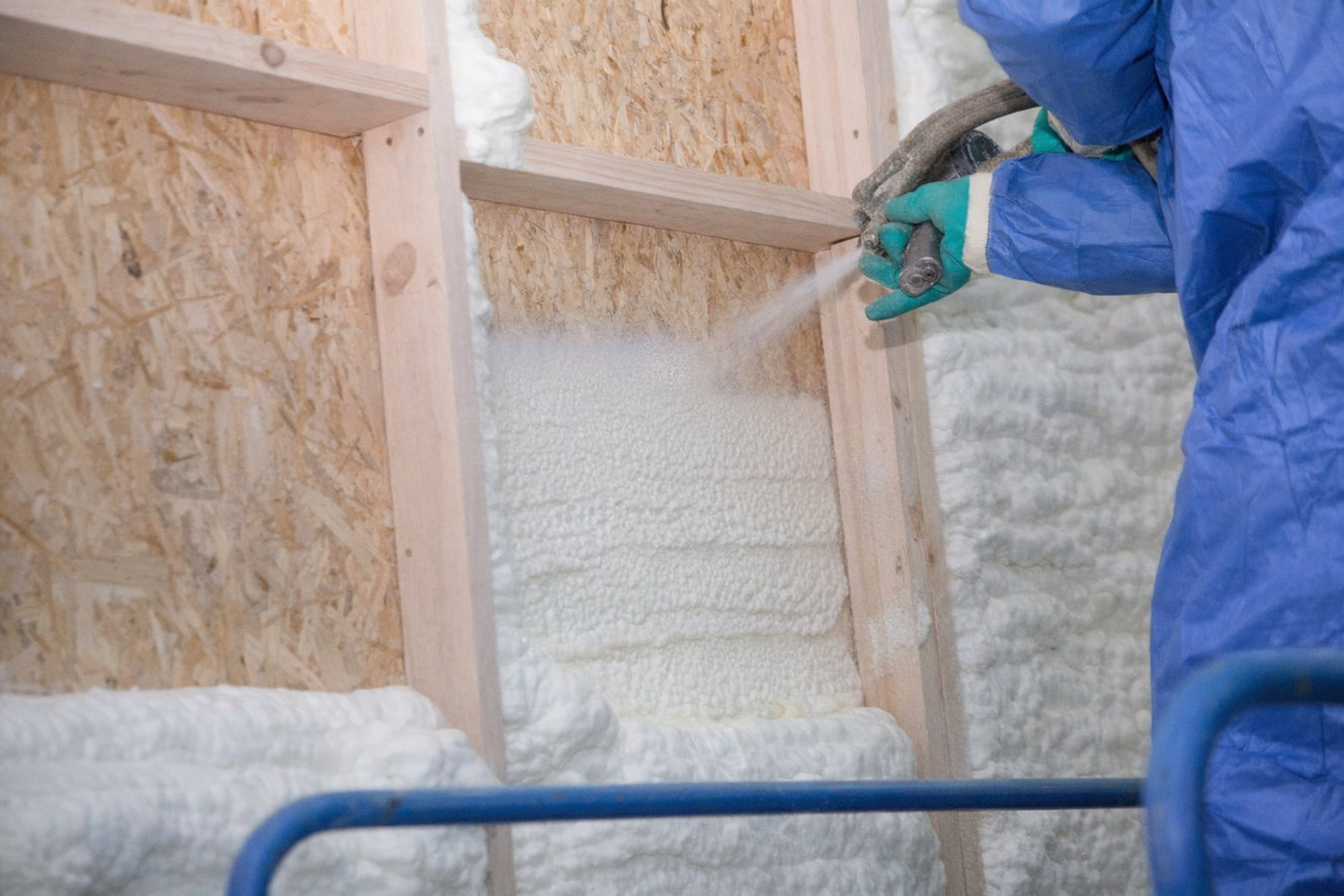
Cold floors and drafty basements are common in older Seaside homes. Proper basement insulation stops heat loss at the foundation and makes every room above more comfortable.
Basement insulation in Seaside, CA creates a thermal barrier between your cold foundation and the living space above it, most jobs are completed in one to two days with no need to leave your home.
Cold floors are one of the most common complaints from owners of older Seaside homes - and one of the most straightforward fixes. When the basement ceiling or foundation walls are uninsulated, heat escapes downward through the floor structure all day long, no matter how long the heater runs. Basement insulation in Seaside stops that loss at the source. If your home was built before 1980, there is a good chance it has little or no coverage in this area, and pairing the work with crawl space insulation addresses both pathways at once.
The Monterey Peninsula's coastal humidity adds another layer to the problem. An unprotected basement collects moisture year-round, and that moisture works its way up into the living space as drafts and musty air. Getting the right insulation installed - with moisture management built in - solves the comfort problem and the air quality problem at the same time.
If walking barefoot across your first floor feels noticeably cold, heat is escaping downward through an uninsulated basement ceiling. This is one of the most consistent complaints from owners of older Seaside homes, where the original construction skipped this step entirely. Insulating the basement ceiling is the direct fix.
A persistent musty odor every time you open the basement door is a sign that moisture is collecting in the space. Seaside's marine fog and coastal humidity make this more common here than in drier inland areas. Left alone, that moisture can eventually lead to mold - which is far more expensive to deal with than the insulation itself.
Stand in your basement and look up at the perimeter where the foundation wall meets the floor framing. If you see gaps or feel cold air moving, that rim joist area is uninsulated and unsealed. This is one of the highest-priority spots in any basement - cold air comes in fast and the fix is straightforward.
Most Seaside homes from the 1950s through 1970s were built to the standards of their era, which were far below what is required today. If you have owned your home for years and cannot recall any insulation work being done, a quick assessment will tell you exactly what is there - and what is missing.
We insulate both the basement ceiling - the underside of your first floor - and the foundation walls, depending on whether your basement is conditioned or unfinished. For homes where the basement is used as living or storage space, insulating the walls keeps the whole space warmer and drier. For homes with an unfinished basement that simply needs to stop losing heat upstairs, ceiling insulation is often the most direct solution. Either way, we pair the insulation with rim joist air sealing so no cold air bypasses the material through gaps at the perimeter. We also offer closed-cell foam insulation for basement walls where moisture resistance is the top priority - especially relevant in Seaside's coastal climate.
Every project starts with an on-site assessment to check for existing moisture issues before anything goes in. Insulating over a damp wall causes more problems than it solves. If we find a moisture concern, we will tell you clearly before work begins and explain what needs to happen first. We handle permit coordination with Monterey County when the scope of the project requires it, and we walk you through the finished work so you know exactly what was done and why it matters.
Suits homes with an unfinished or utility basement where the goal is stopping heat from escaping upward into the living space.
Suits homeowners who use their basement as living, workshop, or storage space and want the entire area kept warmer and drier.
Suits any basement project - sealing the gap where the foundation wall meets the floor framing is the highest-impact air-sealing task in most older Seaside homes.
Suits homes where a musty smell or visible dampness suggests a moisture problem needs to be addressed before insulation goes in.
Seaside sits on Monterey Bay, where ocean air keeps temperatures mild but consistently damp for most of the year. That persistent coastal humidity works its way into unprotected basements over time, and for a city where most homes were built between the 1950s and 1970s, many basements have little protection against it. If your home is in one of the neighborhoods developed on former Fort Ord land, older foundation types in those areas can affect how moisture moves through the structure - worth mentioning to your contractor during the estimate visit. Homeowners throughout Seaside deal with the same combination: an older home, coastal humidity, and a basement that was built without today's energy or moisture standards. We know these homes well.
The same conditions affect neighboring communities we serve regularly. Homeowners in Monterey deal with similar older housing stock and coastal moisture, and those in Marina face comparable conditions just up the coast. If you have been putting this project off because you were not sure who to call or what to expect, a free on-site assessment is the easiest first step - no commitment, just a clear picture of what your basement actually needs.
We reply within one business day. You will answer a few quick questions about your home's age and what you have noticed - cold floors, drafts, or a musty smell - so we can come prepared for the assessment visit.
A contractor walks your basement, checks for existing insulation, looks for signs of moisture, and measures the space. This typically takes 30-60 minutes. We check the rim joist area, the walls, and the ceiling so nothing gets missed.
You receive a written estimate covering materials, labor, and any air-sealing or moisture prep needed. We tell you clearly whether your project requires a Monterey County permit - and handle the application if it does.
Most projects complete in one to two days. You can stay in your home throughout. When the crew finishes, we walk you through exactly what was installed, where, and why it addresses the specific issues we found in your basement.
Free on-site estimate. No obligation. We reply within one business day.
(831) 315-4007We check for existing moisture problems before recommending any material. In a coastal climate like Seaside's, insulating over a damp foundation wall traps moisture and causes long-term damage. Skipping this step is a common mistake - we do not make it.
The gap between the foundation wall and the floor framing is one of the most significant air-leak points in older Seaside homes. We seal it as part of every basement insulation project because insulation without air sealing leaves the biggest source of cold air open.
If your project requires a Monterey County building permit, we handle the application. A permitted job means an independent inspector verifies the work, which protects you now and creates documentation that matters when you sell. You should not have to manage that process yourself.
North American Insulation Manufacturers AssociationWe have completed basement and crawl space insulation projects throughout Seaside and across the Monterey Peninsula. We know the housing stock here - the postwar ranch homes, the older foundations, the conditions that come with living near the bay - and we bring that context to every estimate.
Every one of these points comes down to doing the job completely - not just laying insulation and leaving. A basement that is properly insulated, sealed, and moisture-checked performs differently than one that only got half the work. That is the difference we bring to every project in Seaside.
For more on basement insulation standards, see the U.S. Department of Energy basement insulation guide and the EPA mold and moisture resources.
The highest-moisture-resistance option for basement walls and crawl spaces in Seaside's coastal environment.
Learn MoreExtends the thermal and moisture barrier from the basement to the crawl space beneath the living areas.
Learn MoreSchedule your free basement insulation estimate today - our calendar fills quickly, especially in fall and spring.